
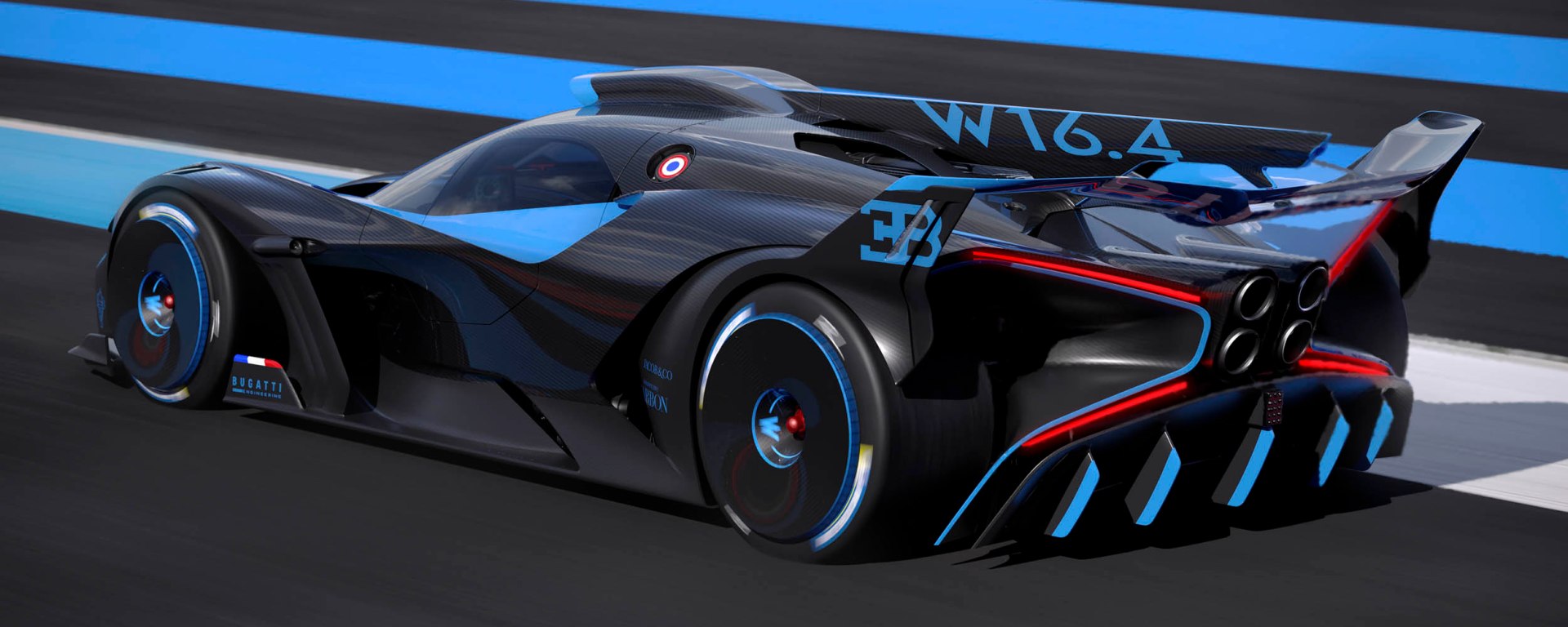
Bugatti recently unveiled its Bolide model: a mad, track-only demon of a car with over 1,800 horsepower and a top speed of 311 mph. Its power-to-weight ratio of 0.67 kg/hp means that this isn’t a Beverly Hills cruiser like its other models. It’s designed to rip apart lap times around a race track. It seems odd that Bugatti, a company known so well for its high-speed cars and craftsmanship doesn’t compete in Motorsports of any kind. At least not today. Despite its lack of presence on today’s tracks, Bugatti has a wildly successful racing history, and they’ve created a branding masterclass out of it.
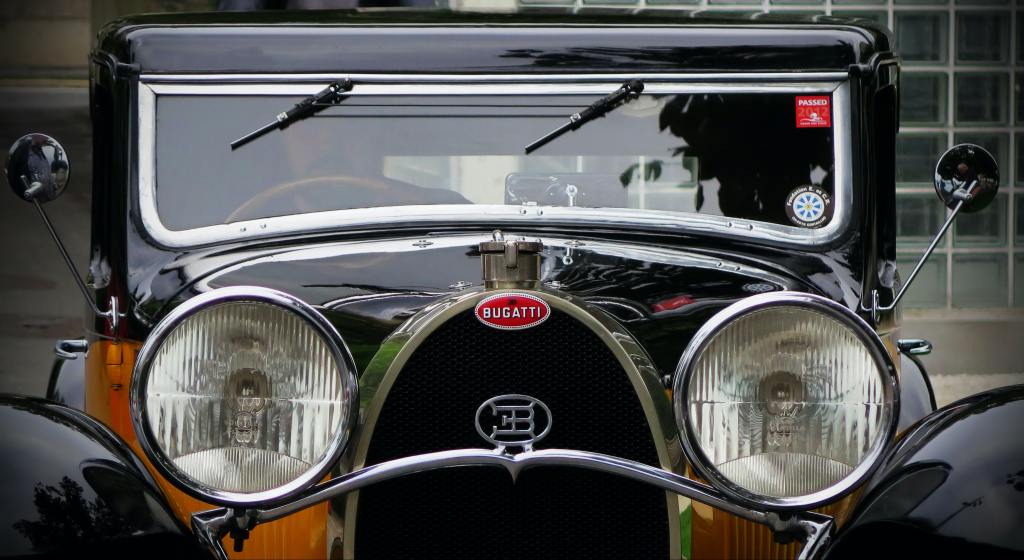
The Type 35: History’s most successful racing car.
Bugatti has a racing period that spans a relatively short number of years (29 years from 1910 to 1939, plus one year in 1956). Ferrari has been racing for 92 years, Mercedes has competed since the first motorsport race in history, in 1894. That’s 127 years, and almost 100 years more than Bugatti. So if Bugatti has a relatively short history of racing that ended over 80 years ago, why don’t they give it another shot? There is not another automotive manufacturer that has such a high concentration of success. In fact, the Bugatti Type 35 is considered one of the most successful racing cars of all time, having raced for over 5 years and at its peak, averaged 14 different race victories per week. Bugatti carried the type 35 success forward into its many touring cars built in the years to follow. However, the company suffered in the aftermath of World War II. Their Molsheim factory was destroyed during the war and shortly thereafter, they lost the property rights to it as well. When Ettore Bugatti dies in 1947, the company slowly declined until it shut down 9 years later in 1956.
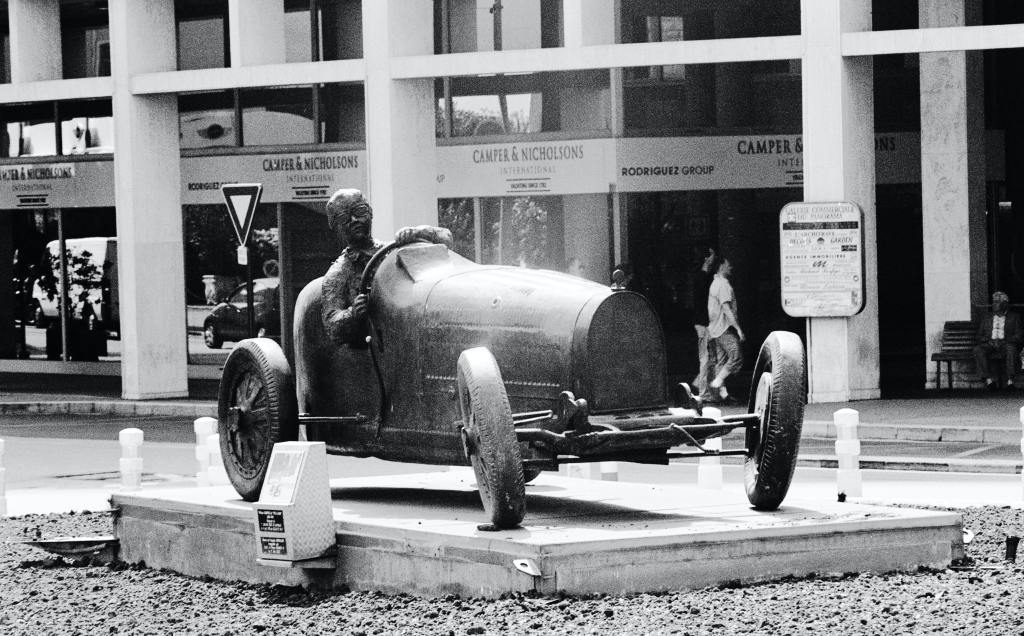
Bugatti’s branding is built on their old success.
There had been many attempts to try and revive the company to its pre-war glory days prior to Volkswagen group’s acquisition of the brand. In 1962, Roland Bugatti tried to bring back the brand in the form of its initial racing success with the Type 251 race car. Unfortunately, the car was underdeveloped and therefore underperformed in a manner uncharacteristic of the Bugatti brand. It wasn’t until 1987 that a moderately successful rebirth took shape. The brand was relocated to Modena, Italy, the famed home of both Ferrari and Lamborghini. From 1978 to 1995, Bugatti produced the now infamous EB110. Unfortunately the company hit a recession in the early 90’s that eventually suffocated the company, putting it out of business.
However, in 1998, Bugatti was acquired by the Volkswagen group. With the new funding, the company set up shop at their original location in Molsheim again. The company debuted what is now one of the most iconic cars: the Veyron. Named after one of their most successful racing drivers, Pierre Veyron, the car used a W16 engine that produced nearly 1000 horsepower. For it’s day, that number was ludicrous, and allowed the car to achieve a top speed of 253 miles per hour. Enthusiasts oodle over those numbers, but oddly, it wasn’t the numbers alone that made the car special.

Bugatti is not successful because of speed. Heritage is key.
Dozens of startup companies that have come along since the debut of the Bugatti Veyron have ambitiously targeted the top speed of the Veyron, with some such as the Hennessey Venom and SSC Tuatara actually beating the Bugatti. However, neither of these companies are seeing the sales numbers nor the success that Bugatti enjoys today. After becoming the first company to beat the 300 mile-per-hour barrier with a special variant of the Chiron (another model named after a successful Bugatti driver), the company announced that it would no longer pursue speed records—quite an odd announcement for a company that holds so many of them.
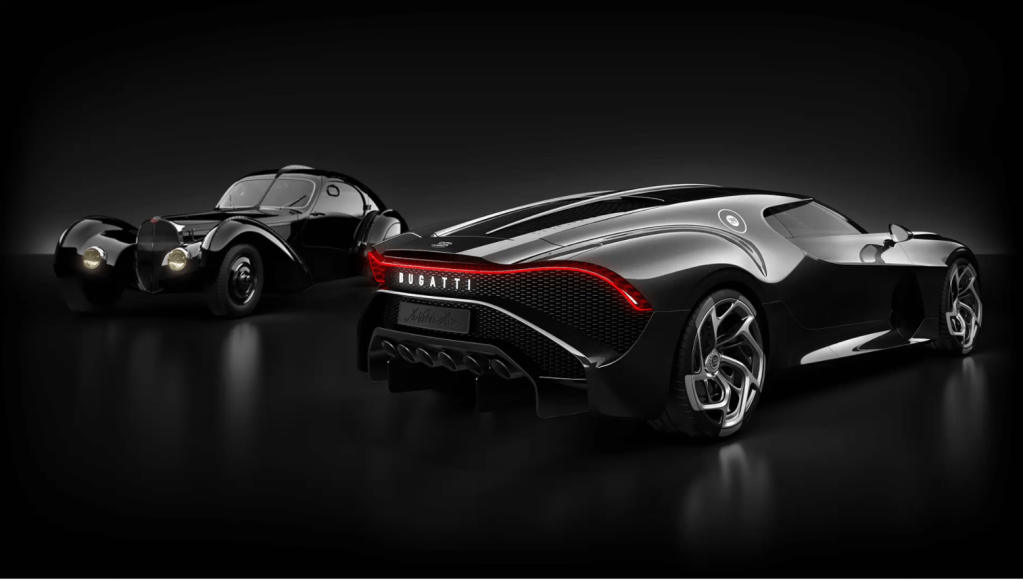
Most enthusiasts balked at this news. Like many ambitious startups, people mocked and touted other vehicles that could go faster. Bugatti doesn’t seem to notice. The company has instead produced several extraordinary models based largely off of the Chiron since. The Centodieci is a commemorative design, celebrating 110 years of the company’s history and the EB110 model from which much of its design takes inspiration. The Voiture Noire became the world’s most expensive new car ever sold, running a bill of $18.68 million. This car is not laced with diamonds, nor is it the fastest car in the world. The only justifier in such a huge price tag is that it pays tribute to one of Bugatti’s greatest historic masterpieces– the Type 57 SC Atlantic. The Divo was a $5.4 million commitment to the company’s foray into designing lightweight cars focused on performance, much like their original coach-built cars in the early 20th century. And Bugatti’s most recent vehicle unveiling? The extreme and insane Bugatti Bolide.
Bugatti Returns to Racing 100 years later?
The Bolide might only be an experimental track-exclusive car, but it could be the biggest indicator that Bugatti is serious about digging deeper into its heritage. The Bolide is Bugatti’s ultimate modern attempt to make the lightest car possible with an insane amount of power drawn from its engine. This combination is exactly what made its Type 35 the world’s most successful race car in history. The W16 used in the Bolide is the same engine found in the Chiron. Unlike the Chiron, the Bolide’s engine is designed to crank out over 1,800 horsepower; a number that is almost 50% larger than what is produced in its road cars. this definitely hearkens back to when Ettore Bugatti cranked out extra horsepower from the inline-8 found in the Type 35. The company really seems to be testing the waters with an extreme low-weight, high-power model of track cars that perfectly mirrors its heritage nearly 100 years ago. If the Bolide proves successful and is well-received by Bugatti’s fans and exclusive customer base, I could definitely see the company dipping itself back into motorsports again, hoping to replicate the success which it enjoyed so much 100 years ago.

The Bugatti Brand is an icon and showpiece. The Volkswagen group apparently lost $6.25 million on every Veyron produced. Since its acquisition, Bugatti has been VW’s showpiece. It’s bragging rights. But Stephan Winkelmann, Bugatti’s President is hopeful for the future. If Bugatti is to continue to push its heritage, it may look to create more in the near future. Personally, I think that we will definitely see a new variation or tribute to the infamous Bugatti Type 35, most likely unveiled in 2024 (The 100th anniversary of the model’s unveiling). With it, we could very well see the company return to racing. The question is, which motorsport would it be?

Bugatti is moving on, and it’s for the better.
What are your thoughts? Is Bugatti all about speed to you? I get so frustrated when I hear people talk about top speed and power. It was a big deal in 2005, but nowadays you can get over 1000 horsepower from a specially-built inline 4 or V6. The brand has moved on from benchmark numbers and it’s for the better. I think we are seeing a very mature decision from the company to embrace its heritage, and I’m excited to see where its future lies.
 Driver Mentality
The Bugatti Bolide is such a sick looking car, and should be able to pull some great speed and power if used correctly. I think they’ve established that they can build fast cars, and luxury cars for sure!
LikeLike