

We used to have an amazing automotive spectrum rolling out of Detroit and the rust belt. Cars used to come off the line in all sorts of fantastic colors. Dodge rolled the original Challenger out with the option to spec what was listed as “Plum Crazy”— a bright, deep purple car that commanded its presence to be made known. Cars like these drew attention, but in and amongst the sea of colors that made a parking lot look more like an ice cream parlor freezer, colors like these weren’t outlandish.

Lackluster at Best!
If you want to spec a brand-new 2021 Ford F-150, the only color options are 2 shades of white, 4 grey, 1 black, a brown, a red, and a blue. For those of you trying to picture, that’s 7 greyscale colors, blue, red, and brown. That’s a pallet that’s lackluster at best! This is not to say that any vehicle doesn’t look great in a gunmetal grey or a clean polished white, but options are very limited for anything coming out of the paint booth at an American assembly plant.
Offering a smaller color spectrum lowers the company’s production costs
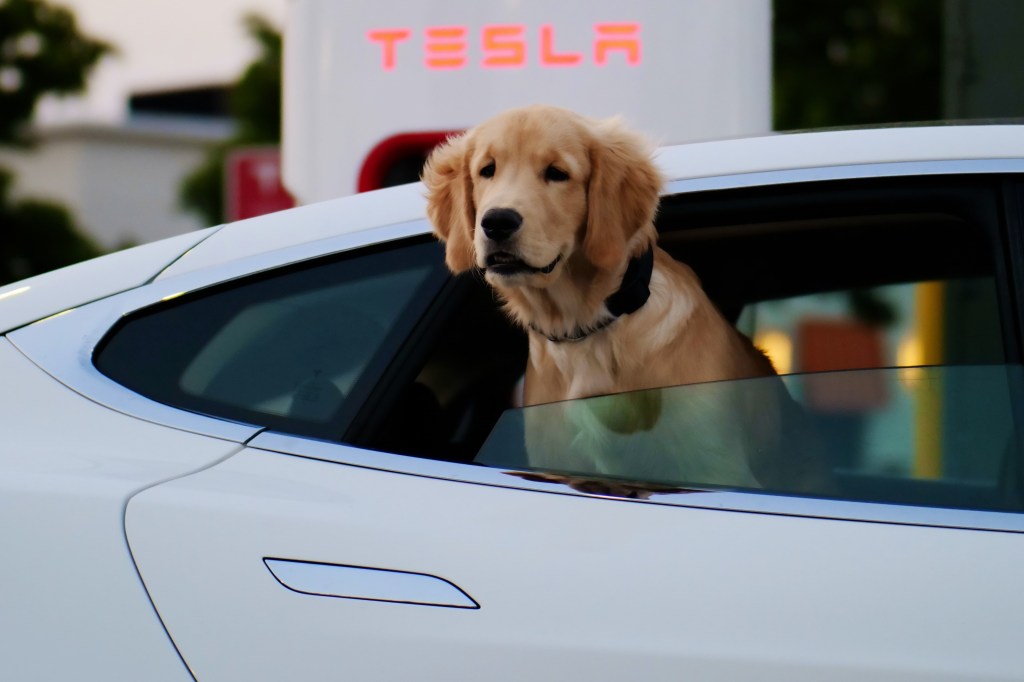
Flipping the switch to electric doesn’t give you much more. Tesla offers 5 total colors: white, grey, black, blue, and red for their Model S. Tesla is difficult to criticize, and it may very well be the exception child. It is on its way to being the first automotive company to be worth 1 trillion dollars. It has yet a way to go, but for now it is the most valuable car maker today. In its early years as an electric car startup, paint options is something that is very trivial. Offering a smaller color spectrum lowers the company’s production costs, with less infrastructure costs incurred. Not to mention the higher likelihood that one of your selected color options is readily available at your nearest dealership. Does this mean electric cars are pushing other automakers to cut down their offerings? Not at all. Tesla’s whole mantra is to make EVs accessible to the masses — even if color options need to be sacrificed.
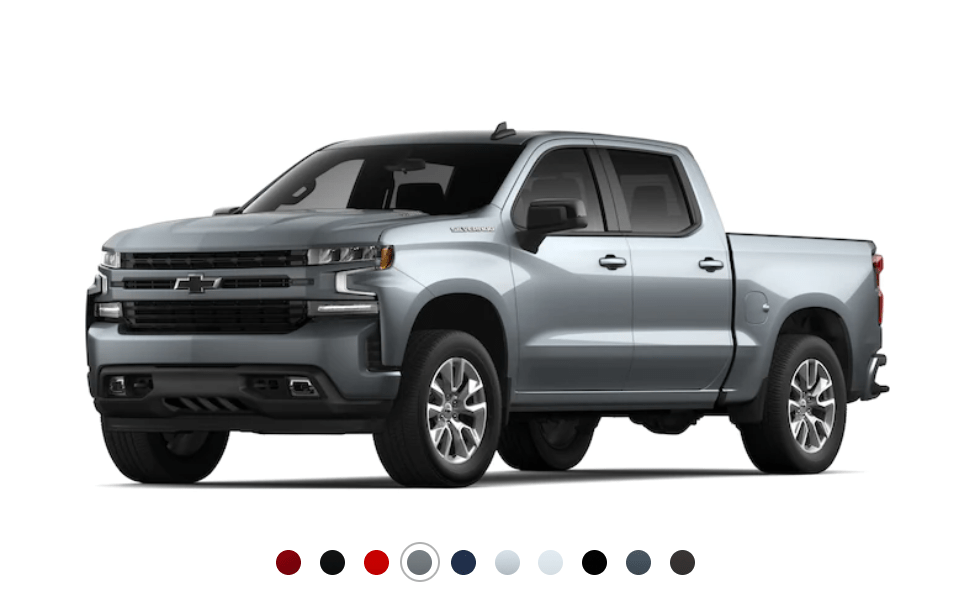
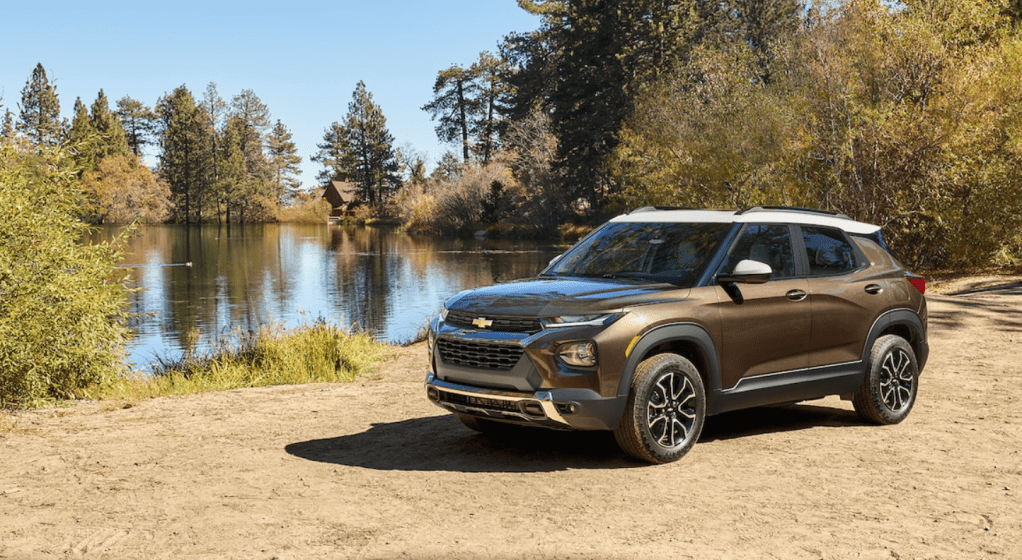
Chevrolet doesn’t do much better for the red, white, and blue. That’s pretty much the offering of colors it has for its Silverado configurations. It has 7 greyscale colors from white to black, and then tops off the lineup with 2 shades of red and one in blue. You would think that 2 shades of grey and one in white would suffice, giving manufactures like Chevy the option to offer one or two exciting colors for their lineups, but the market doesn’t seem to push for this. It’s not like the company doesn’t make other colors either. Arguably, the 2021 Silverado would do well with the same bronzed metallic paint found on the new Trailblazer.
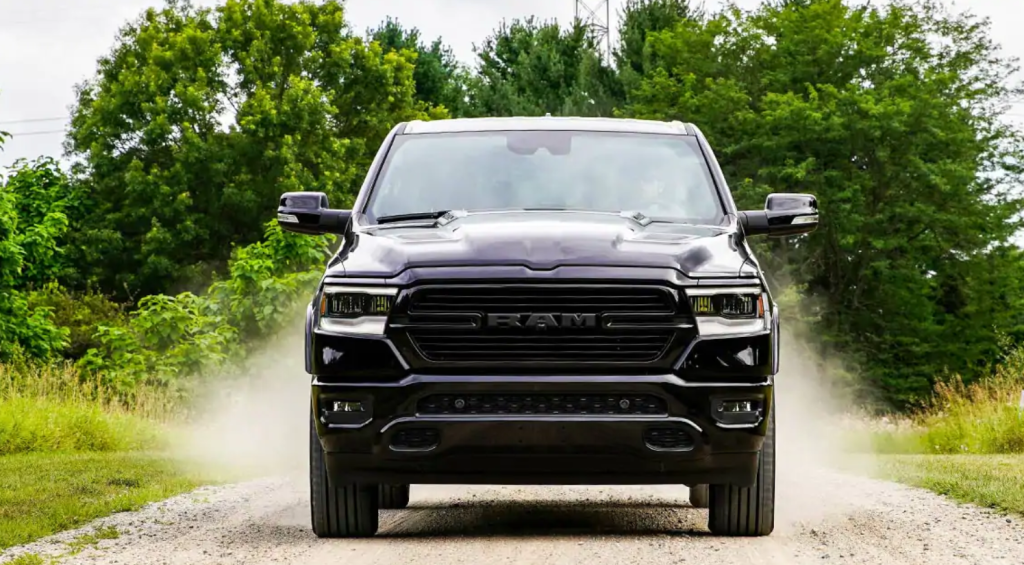
The new Dodge challenger at least has a couple decent options, but their RAM 1500 lineup still offers a series of dull and dark paints that don’t stand out in any way, shape or form.
We simply don’t have a lot of variety with everyday cars
If you dig around the websites of any of these companies, you’ll end up finding a few bright color options, but these are all offered for sportier vehicles that we naturally gravitate to already. We expect sporty cars to be brighter and flashier, but it is important to note that brighter colors are not what we are talking about here; we simply don’t have a lot of variety with everyday cars. An array of lighter, more interesting colors doesn’t necessarily need to be flashy. The perfect example? My great-grandfather’s 1954 Ford F-100 pickup. Its original paint color, glacier blue, is the perfect example of this.

Imagine this color on a new 2021 F-150. The point is, a lot of automakers in America are shifting to a more greyscale, color-neutral palette. There’s nothing terribly wrong with this, but imagine how much brighter and more uplifting our urban landscapes would be if our parking lots had a little more color! We used to paint pictures using a whole watercolor set of cars parked in lots and drive-ins, but now we search through seas of silver and white parking lots, separately searching for our cars. And I get it—people don’t want to hurt the resale value of their vehicles, so they buy conservative colors. Brighter colors stand out and are more likely to be pulled over by the police. But have we lost something by going greyscale? Feel free to share your thoughts in the comments!
 Driver Mentality